Stay Connected Anywhere With the Best Travel eSIM for Your Trip
You land in Tokyo, exhausted, and your phone connects instantly—no fumbling for a local SIM card. A travel eSIM is a tiny digital chip in your phone that lets you buy data plans for different countries before you even leave home. It works by scanning a QR code or tapping a link, and then you switch between networks in Paris, Bali, or Seoul with zero physical swaps. You stay online for maps, messages, and memories without hunting for Wi-Fi or paying airport kiosk markups.
What Is an International SIM Alternative and How Does It Work
An international SIM alternative, specifically a travel eSIM, is a digital profile you install on your phone before a trip. Instead of swapping your physical SIM card, you buy a data plan from an eSIM provider. Once you land in, say, Tokyo, your phone automatically connects to a local network, bypassing costly roaming. You activate the plan via a QR code or app, and the eSIM holds your connection credentials.
The core insight is that your device hosts a second, virtual SIM alongside your home one, so you keep your regular number active for calls or texts while using the eSIM solely for affordable data abroad.
This means no hunting for local SIM kiosks or fiddling with tiny trays—just seamless connectivity from departure to arrival.
Understanding the Core Technology Behind Virtual Roaming
Virtual roaming in travel eSIMs operates through remote SIM provisioning, where a physical SIM card is abstracted into a digital profile. This profile, containing your network credentials, is stored securely on the eSIM chip inside your device. When you arrive in a new country, the eSIM connects to a local partner network by exchanging authentication data via over-the-air (OTA) updates, bypassing the need to swap physical cards. This technology routes your data through the home network’s core infrastructure, enabling you to access your domestic plan’s data allowance while using local towers. The eSIM’s embedded UICC (Universal Integrated Circuit Card) securely manages multiple profiles, allowing instant switching between virtual carriers.
Q: How does virtual roaming differ from traditional physical SIM roaming?
A: Unlike physical SIM roaming, which relies on swapping hardware, virtual roaming uses a software-based profile that can be downloaded and activated remotely, giving you access to local networks without changing cards or managing multiple physical lines.
Why Physical SIM Cards Are Becoming Obsolete for Jetsetters
For jetsetters, physical SIM cards are becoming obsolete due to their inherent travel friction. The need to source, swap, and store tiny plastic chips across different countries is inefficient. Crucial connectivity is delayed while you hunt for a local vendor or juggle multiple cards. This is where the efficiency of travel eSIM technology becomes the decisive upgrade. With eSIMs, you activate a digital profile instantly before or after landing, eliminating physical handling entirely. You retain your primary number for two-factor authentication and never risk losing a traditional SIM during transfers. The question remains: Why do physical SIMs fail for frequent travelers? Because they require constant manual replacement, eSIMs simplify connectivity into a single, seamless digital purchase. The physical card is an anachronistic burden when immediate, digital network switching is available.
Top Reasons to Switch from Traditional Roaming Plans
Switching from traditional roaming plans to a travel eSIM eliminates physical SIM swaps and the risk of losing your home card. You avoid unpredictable daily roaming fees by pre-purchasing a local or regional data package at a fixed, lower rate. Activation is instant via QR code, so you have connectivity the moment you land. Q: What is the biggest practical win? A: No surprise bills. You also keep your primary number active for iMessage or two-factor authentication while the eSIM handles data, unlike roaming which often requires toggling settings to avoid charges.
Cost Savings Without Surprise Fees
Traditional roaming plans often bury costs in fine print, resulting in unexpected bills for data used outside a designated zone. Travel eSIMs eliminate this by offering fixed, pre-paid data packages with transparent cost structures. You pay a single, upfront price for a specific data allowance, meaning no per-megabyte overage fees or daily connection charges. This predictable pricing allows for exact budgeting, as the total cost is known before activation. The absence of surprise fees stems from this model, where the provider cannot retroactively add charges for data consumption, making travel eSIMs a financially reliable alternative for staying connected abroad without hidden financial risks.
Instant Activation Without Visiting a Store
Forget queueing at airport kiosks or hunting for local SIM shops; switching to a travel eSIM means instant activation without visiting a store. You purchase and install the digital profile online, and connectivity begins within minutes via a simple QR scan or app tap. This eliminates the frustrating ritual of physically swapping cards or showing ID at a counter while jet-lagged. Your phone connects to the local network as soon as you land, removing the dead zone between arrival and activation. This store-free process saves time, reduces stress, and lets you start navigating or communicating the moment your plane door opens.
Convenience of Managing Multiple Data Profiles
A primary advantage is the ability to seamlessly switch between local carriers via a single app. Instead of juggling physical SIMs, you manage all active data profiles on one interface. The process typically involves:
- Pre-loading multiple eSIM profiles for different countries or regions before travel.
- Enabling or disabling specific profiles as you cross borders, avoiding manual card swaps.
- Monitoring real-time data usage per profile to adjust plans without reaching a store.
This centralized control eliminates the friction of tracking separate accounts, making it simple to keep your home number active while using a local data profile for high-speed browsing. No physical cards means no risk of losing a vital SIM mid-trip.
Key Features to Evaluate When Choosing a Digital Roaming Solution
When selecting a travel eSIM, prioritize network coverage and speed above all else. Ensure the solution provides native access to local 4G/5G networks in your destination rather than relying on slow, distant roaming partners. Equally critical is data plan flexibility, allowing you to purchase short-term, high-data buckets or top-up easily without contractual lock-ins. Verify that the eSIM offers instant activation upon scanning a QR code and supports seamless carrier switching if signal drops. An intuitive management app for monitoring usage and purchasing add-ons is non-negotiable for practical control. Prioritize solutions with transparent pricing—no hidden throttling or daily caps—to ensure reliable connectivity throughout your trip.
Coverage Across Multiple Countries
When picking a travel eSIM, you want broad regional coverage, not just a few big countries. Check if the plan actually includes all the places you’re visiting—some “global” plans skip smaller nations or outlying islands. A solid roaming solution covers multiple countries seamlessly, so you don’t drop connection crossing borders. Look for networks that partner locally in each spot, ensuring fast data in cities and, ideally, even on rural trains or remote beaches. That way, your eSIM works everywhere your itinerary takes you, without hunting for new signal.
Data Speeds and Network Reliability
When evaluating a travel eSIM, data speeds and network reliability dictate your actual connectivity. Look for providers using native carrier partnerships, which bypass throttling common with wholesale roaming and deliver 4G/LTE or 5G where available. Reliability hinges on multi-network access: a single eSIM profile should switch between local operators without manual intervention, maintaining signal in transit or rural areas. Throttled “unlimited” plans often drop to 256 kbps after a soft cap, rendering video calls unusable. Check speed caps pre-purchase—preferred plans offer hard limits on high-speed data, not arbitrary slowdowns.
For travel eSIMs, prioritize native network agreements and multi-carrier fallback; speed caps and automatic switching define real-world reliability over theoretical coverage maps.
Flexibility of Duration and Data Allowances
When picking a travel eSIM, you want plans that bend around your trip, not the other way around. Look for flexible data top-ups that let you add a gig mid-journey without buying a whole new plan. Duration matters too—some providers offer 7, 15, or 30-day options, while others let you activate a plan on any start date and pause it if your schedule changes. A few even mix data pools across multiple days, so unused allowance rolls forward instead of vanishing at midnight.
| Duration Options | Data Flexibility |
|---|---|
| Choose from 1, 7, 15, 30, or 90-day plans | Top-up small data packs (e.g., 1GB) anytime |
| Activate on any date, no fixed start | Rollover unused data to next period |
| Pause and resume the plan later | Share a single data pool across multiple days |
How to Set Up Your Virtual SIM Before Departure
To set up your virtual SIM before departure, first confirm your phone is eSIM-compatible in settings. Purchase and download your travel eSIM plan from a provider while still at home, using Wi-Fi. You’ll receive a QR code or activation link; scan or tap it to install the eSIM profile instantly. Label this line clearly (e.g., “Japan Data”) to avoid confusion with your primary number. Ensure you turn on data roaming for this line and make it active for cellular data. Reboot your device to finalize the connection, so you land with seamless, ready-to-use connectivity.
Device Compatibility Check: Which Smartphones Support eSIM
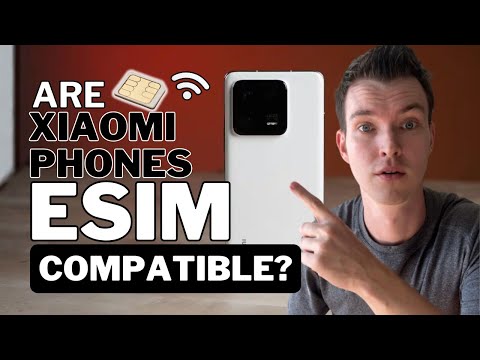
Before you travel, check your eSIM smartphone compatibility to avoid connectivity headaches. Most recent models from Apple (iPhone XR and newer), Google (Pixel 3a and newer), and Samsung (Galaxy S20 series and newer) natively support eSIM. However, carrier-locked devices from US providers like Verizon or AT&T often disable this feature. To verify quickly: open your phone’s Settings > Cellular/Mobile Data and look for an “Add eSIM” option. If absent, your phone likely lacks support.
- Go to Settings > About Phone to confirm your model number.
- Search your exact model on the Travel eSIM provider’s compatibility list.
- Restart your phone after inserting the eSIM to activate the profile.
Step-by-Step Installation via QR Code or App
To set up your travel eSIM, start by purchasing a plan from a provider like Airalo or Holafly. You’ll receive a QR code via email or directly in their app. On your phone, go to Settings > Cellular/Mobile Data > Add eSIM, then scan that code. Alternatively, open the provider’s app and tap “Install” to auto-configure everything. Once added, label the line (e.g., “Travel Data”) and set your primary number for iMessage/Facetime. Activate the travel eSIM when you land by toggling it on in settings.
Q: What if I lose Wi-Fi after landing and can’t scan the QR code?
A: That’s why you should install the eSIM before departing. The QR code or app install only needs internet the first time—after that, the eSIM profile lives on your device. Just switch it on post-arrival.
Common Activation Pitfalls and How to Avoid Them
A common pitfall is activating your eSIM while still in your home country, which can start the plan’s timer prematurely. To avoid this, install the eSIM profile before you depart, but only activate the data plan upon arrival at your destination. Another frequent issue is forgetting to disable your primary home SIM’s data roaming, causing unintended charges. Always set your primary line to “off” for data in your phone’s cellular settings. Finally, ensure your device is unlocked and compatible, as carrier locking remains a key reason for travel eSIM activation failure. Double-check your phone’s IMEI for compatibility before you leave.
Best Use Cases for a Data-Only Roaming Profile
A data-only roaming profile on a travel eSIM is best used for navigation and ride-hailing apps while abroad, providing constant GPS without needing a local voice number. It excels for messaging and social media access through apps like WhatsApp or Telegram, keeping you connected to family and booking platforms. This profile is ideal for digital nomads or travelers who rely on cloud-based work tools and document syncing, as it bypasses expensive voice roaming. It also serves as a dedicated backup for hotel or café Wi-Fi, ensuring stable internet for essential online tasks without the Singapore eSIM hassle of juggling multiple SIM cards.
Staying Connected on Multi-Country Backpacking Trips
For multi-country backpacking trips, a data-only roaming profile eliminates the hassle of swapping physical SIMs at each border. You maintain seamless connectivity for navigation, hostel bookings, and instant messaging as you cross from one nation to the next. This setup is ideal for spontaneous route changes, allowing you to pull up maps or research transportation on arrival without searching for a local vendor. A single profile provides consistent access across multiple borders, avoiding signal gaps that disrupt travel plans. Q: Can I stay connected when moving between remote border areas? A: Yes, the profile automatically connects to available partner networks in each country, though coverage strength depends on local infrastructure.
Business Travelers Needing Constant Access
For business travelers needing constant access, a data-only roaming profile is essential for maintaining real-time connectivity across borders without juggling physical SIMs. Corporate email and cloud platforms remain instantly synced, while VoIP calls replace unreliable hotel lines. Even brief airport layovers become productive slots for urgent file uploads or client chats. This setup eliminates roaming fees for personal browsing and ensures immediate access to navigation, expense tools, and encrypted messaging—regardless of local network quirks.
For business travelers needing constant access, a data-only roaming profile delivers seamless, cost-controlled connectivity for essential tools, from email to cloud storage, without geographic barriers.
Remote Workers and Digital Nomads While Abroad
For remote workers and digital nomads, a data-only roaming eSIM ensures uninterrupted access to cloud-based tools, video conferencing, and collaborative platforms without relying on spotty hotel Wi-Fi. You maintain a consistent IP address from a stable local carrier, which prevents sudden disconnections during critical client calls or deadline-driven uploads. This eliminates the hassle of swapping physical SIMs or hunting for public hotspots, letting you work reliably from co-working spaces, cafés, or even remote lodgings. Your productivity stays high because the eSIM prioritizes data speed over voice, so you can seamlessly sync documents, run VPNs, and manage workflows across time zones.
Comparing Regional vs Global Data Packages
Lena compared a regional Asia eSIM, covering a dozen countries for a flat $20, to a global package that spanned 60 regions for $50. The regional plan let her roam freely in Vietnam, Thailand, and Japan, but splintered as soon as her layover in travel eSIM coverage gaps—like navigating Qatar—required a separate top-up. For her whirlwind trip, the global eSIM was overkill; she paid for connectivity in places she never visited. Yet that peace of mind mattered when her flight diverted to Dubai, where only the global plan’s data packages kicked in automatically. She learned that comparing regional vs global data packages isn’t about quantity—it’s about whether your itinerary’s borders match the plan’s reach.
When to Choose a Single-Region Plan
A single-region travel eSIM is your optimal choice when your itinerary is confined to one geographic area, like Western Europe or Southeast Asia. Select this plan if you need cost-effective destination coverage without paying for unused global bandwidth. It excels for immersive trips where hopping between continents isn’t required.
- Prioritize a single-region plan for focused, multi-country journeys within one zone.
- Choose it to avoid overpaying for global access you won’t use.
- Ideal for stable, high-speed connectivity across familiar regional networks.
The Advantages of Worldwide Coverage Plans
A worldwide coverage plan for your travel eSIM simplifies multi-country trips by removing the need to swap profiles at every border. You get seamless connectivity across regions with a single plan, avoiding the hassle of research for each destination. This allows you to use local data rates even in remote transit zones where regional plans often falter. It also prevents surprise roaming charges, as your eSIM automatically switches to available networks without manual intervention. Such a plan ensures you stay online during layovers or spontaneous detours, making it ideal for open-ended itineraries.
Worldwide coverage plans offer one-time setup, consistent pricing, and automatic network switching across countries, eliminating the friction of managing multiple regional packages.
Balancing Cost and Performance Across Different Areas
Balancing cost and performance across different areas means accepting that one plan won’t excel everywhere. A global eSIM offers consistent, albeit often slower, connectivity at a fixed price, ideal for brief stopovers where paying for premium local speeds is wasteful. Conversely, prioritize a local eSIM for data-heavy hubs like airports or city centers where you need peak performance for downloads. To optimize your balance across areas:
- Assess your primary destination’s coverage; if it’s a single country, a local plan often wins on speed and value.
- For multi-country trips, keep a global plan as your baseline for transit zones.
- Toggle to a high-speed local eSIM only when you arrive at data-critical regions like remote areas or conference venues.
Tips for Maximizing Data When Roaming Digitally
Maximize your travel eSIM data by disabling automatic app updates and background app refresh, which silently drain your allowance. Instead, pre-download offline maps and critical content on Wi-Fi before you depart.
Aggressively use Wi-Fi for heavy tasks like video streaming, reserving your eSIM strictly for essential navigation, messaging, and quick searches.
Tether only in emergencies, as hotspot usage multiplies consumption. Finally, monitor data usage through your phone’s built-in tracker to catch runaway apps early, ensuring your eSIM lasts throughout your trip.
Using Wi-Fi Hotspots to Extend Your Plan
Strategically using Wi-Fi hotspots is a direct method to conserve your travel eSIM’s high-speed data allowance. For bandwidth-heavy tasks like video calls or streaming, connect your device to a hotel or café network, then disable your eSIM’s data line. This practice ensures your plan’s gigabytes remain for essential on-the-go navigation and messaging. Remember to verify hotspot security before connecting, as unsecured networks pose privacy risks. A complementary Wi-Fi strategy involves toggling your device’s “Wi-Fi Calling” setting; this routes calls over the hotspot, avoiding eSIM voice charges while preserving your data bucket for critical use.
Adjusting Phone Settings to Reduce Background Data
To stretch your travel eSIM’s data allowance, adjust your phone’s settings to restrict background data. On iOS, disable Background App Refresh under General settings. On Android, navigate to Network & Internet then Data Saver to block apps from syncing or updating when not in active use. For granular control, manually toggle off background data for each app via its App Info settings. This prevents map updates, email syncs, and social media notifications from silently consuming your roaming balance. Prioritize data saver mode as a reliable one-tap barrier against unwanted background consumption.
Switching off background app refresh and enabling data saver mode blocks hidden data usage, preserving your travel eSIM’s limited allowance.

Selecting the Right APN Configuration for Optimal Speed
For maximum speed on your travel eSIM, the right APN configuration is your secret weapon. Most eSIMs auto-configure, but manual tweaking can unlock faster lanes. Always double-check that your APN matches the provider’s exact string—typos like “cmnet” instead of “cmnet.vivo” throttle your connection. If speeds lag, switch your APN protocol to IPv4 only, as IPv6 can cause drops on roaming networks. Mess with the wrong values, though, and you’ll kill data entirely. Your mileage varies by carrier, so test a speed test after each change.
Q: How do I know my current APN is wrong for speed?
A: If your download crawls below 5 Mbps on LTE with full bars, the APN likely uses a generic proxy or wrong bearer setting—try “default,supl” in the type field.
Security and Privacy Considerations for Connected Travelers
For connected travelers, a travel eSIM introduces specific security and privacy considerations. Unlike a physical SIM, the eSIM profile is downloaded and managed remotely, meaning the activation process must occur over a secure connection to prevent interception. The digital nature of the eSIM also means your device stores an additional profile, which could become a vector if your phone is compromised. To mitigate risks, travelers should only purchase eSIMs from reputable providers that encrypt data in transit and do not retain unnecessary logs of your location or usage. Disable the eSIM on your device when not actively in use to prevent unauthorized background data collection. Furthermore, avoid using public Wi-Fi to activate or manage your eSIM, as this exposes the sensitive authentication process to potential eavesdropping.
Encryption and Data Protection on Virtual Networks
A travel eSIM’s virtual network architecture inherently supports end-to-end encryption by securing data between your device and the operator’s core network, preventing interception over unsecured local infrastructure. This encryption renders your browsing, app usage, and communications unreadable to unauthorized third parties, including the host carrier. Data protection is further reinforced because the eSIM profile itself is stored in a tamper-resistant secure element, isolating your authentication credentials from malicious software. For practical protection, always verify that your eSIM provider uses strong AES-256 encryption for both signaling and user data traffic, ensuring your virtual link remains a private tunnel regardless of the physical network you connect through.
Encryption and data protection on virtual networks ensure that all traveler data traversing the eSIM’s virtualized link remains private and tamper-proof through end-to-end encryption and secure element isolation.
Avoiding Public Network Risks While Roaming
When roaming, public Wi-Fi hotspots expose devices to man-in-the-middle attacks and credential sniffing. A travel eSIM bypasses these risks by routing data through private cellular networks, eliminating the need to join unsecured access points. Zero-trust connectivity emerges as a core advantage, as the eSIM’s native encryption prevents packet interception even on shared infrastructure. For layered defense, pair the eSIM with a VPN to encrypt traffic from the device to the destination server. Avoid toggling Bluetooth or Wi-Fi discovery while the eSIM is active—this minimizes exposure vectors. The table below outlines key risk mitigations:
| Risk | Mitigation via eSIM |
|---|---|
| Credential theft on public Wi-Fi | Direct cellular tunnel prevents hotspot entry |
| DNS hijacking | Carrier-grade DNS resolution via eSIM APN |
| Session hijacking | Encrypted bearer channel, no shared SSID |
What Happens to Your Data After Your Plan Expires
When your travel eSIM plan expires, your personal data doesn’t vanish instantly—it enters a holding period. Providers typically retain your account details, usage logs, and eSIM profile for 30–90 days to allow reactivation or troubleshooting. After this window, post-expiry data retention policies trigger permanent deletion of your active session data, including browsing history and temporary tokens. Your eSIM profile is deactivated but may remain stored for reactivation convenience. To ensure privacy, you can manually request early data erasure or remove the eSIM from your device settings.
- Account details and usage logs are kept for 30–90 days before deletion.
- Active session data, like browsing history, is permanently erased after the retention period.
- Your eSIM profile stays dormant for future reactivation unless manually removed.
- You can request immediate data deletion or delete the eSIM profile yourself.
Future Trends in Mobile Connectivity for Frequent Travelers
For frequent travelers, the future of connectivity hinges on automatic network switching, where eSIMs will seamlessly transition between local and global carriers without manual intervention, ensuring zero downtime during border crossings. Expect AI-driven data optimization to become standard, learning your usage patterns to pre-cache maps or messages in low-coverage zones. Real-time speed prioritization for video calls over streaming will emerge, balancing high-demand tasks during layovers. Additionally, multi-network bonding eSIMs will merge several weak signals into one stable connection, eliminating dropped calls on trains or rural roads. Travel eSIMs will evolve into proactive connectivity tools, not just passive data plans.
The Rise of Unlimited Data Passes
For frequent travelers, unlimited travel eSIM data passes finally kill the anxiety of hunting for Wi-Fi or rationing gigabytes. You simply activate, land, and stream maps, social feeds, or video calls as if at home. Speed may throttle after heavy use, but for most trips this never becomes an issue. These passes simplify cross-border trips too, auto-switching between supported networks without extra fees or top-ups. No more juggling multiple local SIMs or monitoring a dwindling balance.
Unlimited data passes transform mobile connectivity from a daily chore into a background utility, letting travelers roam freely without second-guessing their usage.
Integration with Smartphone Operating Systems
Deeper integration with smartphone operating systems allows native eSIM management directly within the device’s settings menu, eliminating the need for third-party apps to install or switch travel profiles. This OS-level support enables automatic profile prioritization, where a traveler’s data plan activates only when roaming, while their home line stays dormant for calls. Future updates will likely let the operating system dynamically toggle between multiple eSIMs based on signal strength or cost thresholds, without manual intervention. Such integration also streamlines profile deletion after a trip, cleaning the modem’s storage for the next destination without cluttering the phone’s firmware.
Potential for Carrier-Free Global Roaming
Carrier-free global roaming hinges on travel eSIMs bypassing traditional operator agreements, enabling direct network access through a single digital profile. This effectively eliminates the need to swap physical SIMs or negotiate separate local plans when crossing borders. The user enjoys seamless connectivity, as the eSIM automatically selects the strongest available local network without carrier-imposed restrictions. This model shifts control from mobile providers to the traveler, offering predictable pricing and consistent access. Carrier-free global roaming thus represents a departure from fragmented, contract-bound connectivity toward a unified, user-centric experience.
- Automatic network switching between countries without manual intervention or new SIM purchases
- Access to local infrastructure at local rates, avoiding expensive international roaming fees from home carriers
- Single eSIM profile managing connections across multiple countries, simplifying account management
What Exactly Is a Travel eSIM and How Does It Work?
The Simple Breakdown of eSIM Technology for Travelers
How a Travel eSIM Differs From a Physical SIM Card
Why You Don’t Need to Swap Cards or Visit a Store
Key Benefits That Make It a Must-Have for Trips Abroad

Instant Connectivity the Moment You Land
Eliminating Roaming Charges Without Sacrificing Speed
